Tibet Travel Guide: Permits, Altitude and Best Time
Golden Tropics Travel · Updated
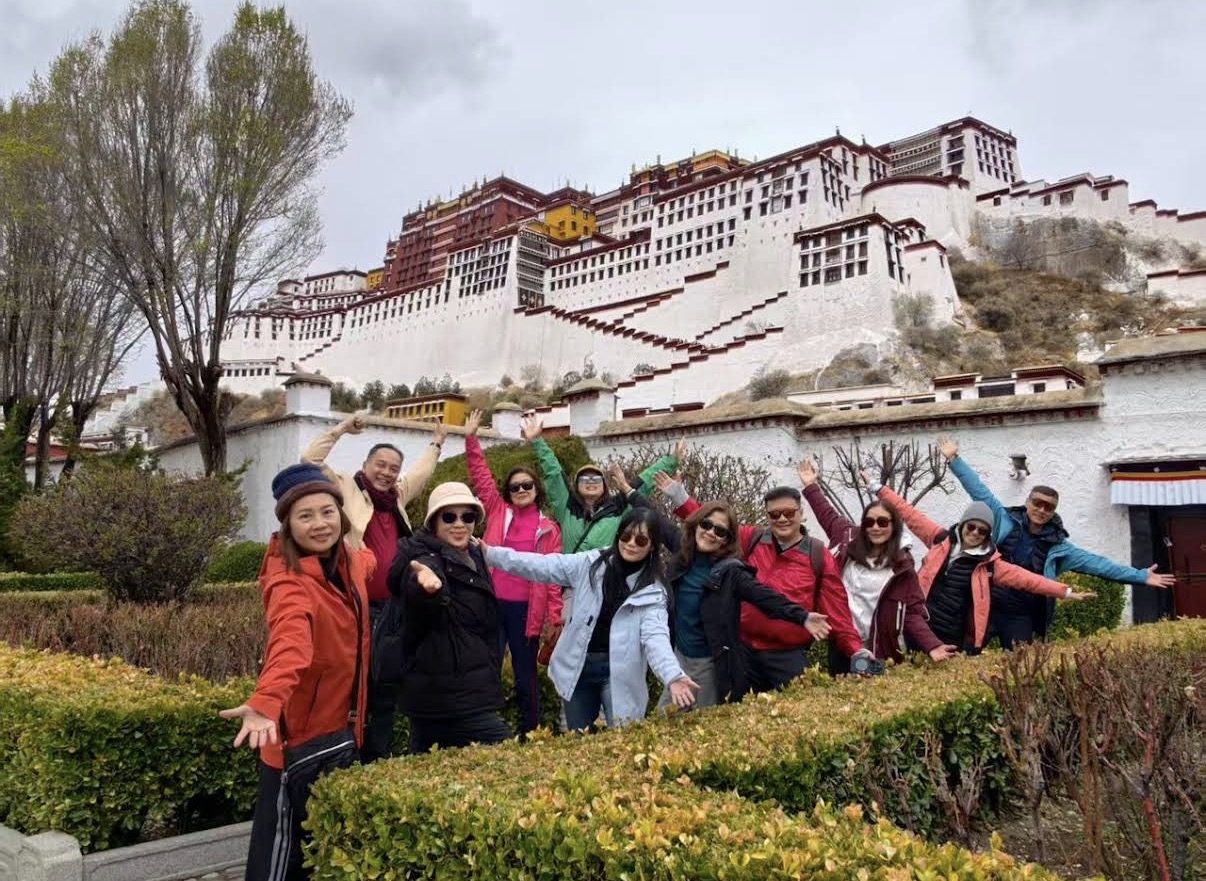
A tour of Tibet takes you to the Potala Palace, turquoise high-altitude lakes and some of the world's highest mountains. It also needs more planning than the rest of China. Here is what Malaysian travellers should know.
Permits: why Tibet is different
Visa-free entry to mainland China does not cover Tibet. Foreign visitors also need a Tibet Travel Permit, and must travel on an arranged tour with a licensed guide. The tour operator applies for the permit using copies of your passport, so send them early.
Permit rules can change at short notice, and permits for foreigners are sometimes suspended for periods, most often around February and March. Confirm the latest position before you book flights.
Altitude: taking it slowly
Lhasa sits at about 3,650 metres, and the lakes and passes beyond are higher still. Most travellers feel the altitude at first, so itineraries start gently.
- Rest on your first day in Lhasa and walk slowly.
- Drink plenty of water and avoid alcohol for the first few days.
- See your doctor before you travel, especially if you have heart, lung or blood pressure conditions, and ask about altitude medicine.
- Tell your guide straight away if you have a severe headache, breathlessness at rest or vomiting.
When to go
- April to June: clear skies and comfortable days; peach blossoms in Nyingchi from late March to April.
- July to August: the warmest months and the greenest scenery, with afternoon rain.
- September to October: often the clearest views of the year, and a popular season.
- November to March: cold, dry and quiet, with permits sometimes restricted in late winter.
Highlights most tours include
- The Potala Palace, the former winter palace of the Dalai Lamas; visits are timed and numbers are limited each day
- Jokhang Temple and the Barkhor, the pilgrim circuit through Lhasa's old town
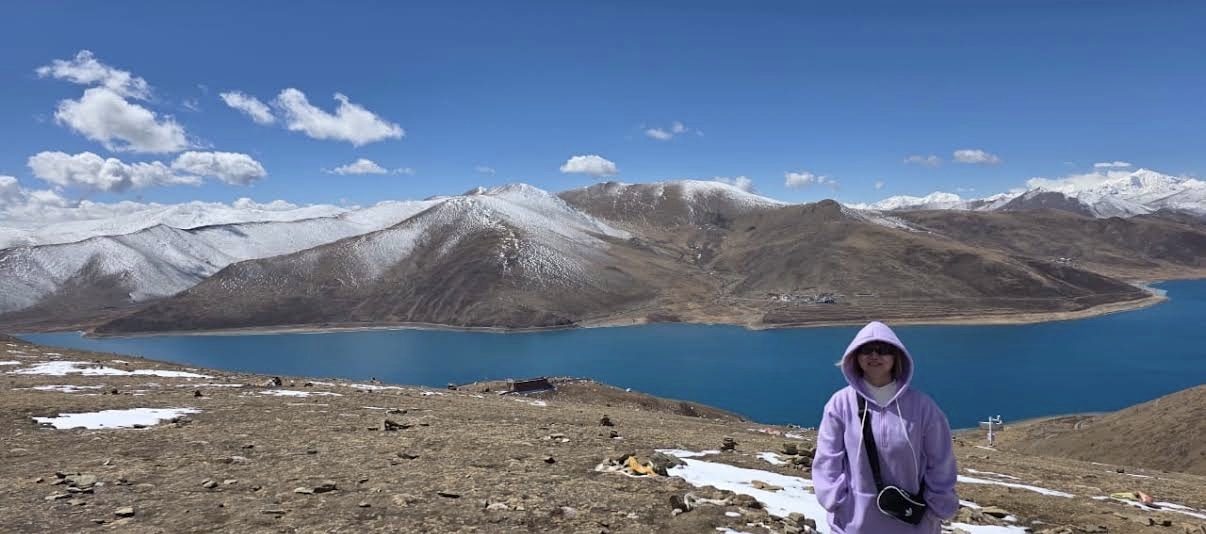
- Yamdrok Lake, a turquoise lake seen from a high mountain pass
- Namtso, one of the highest saltwater lakes in the world
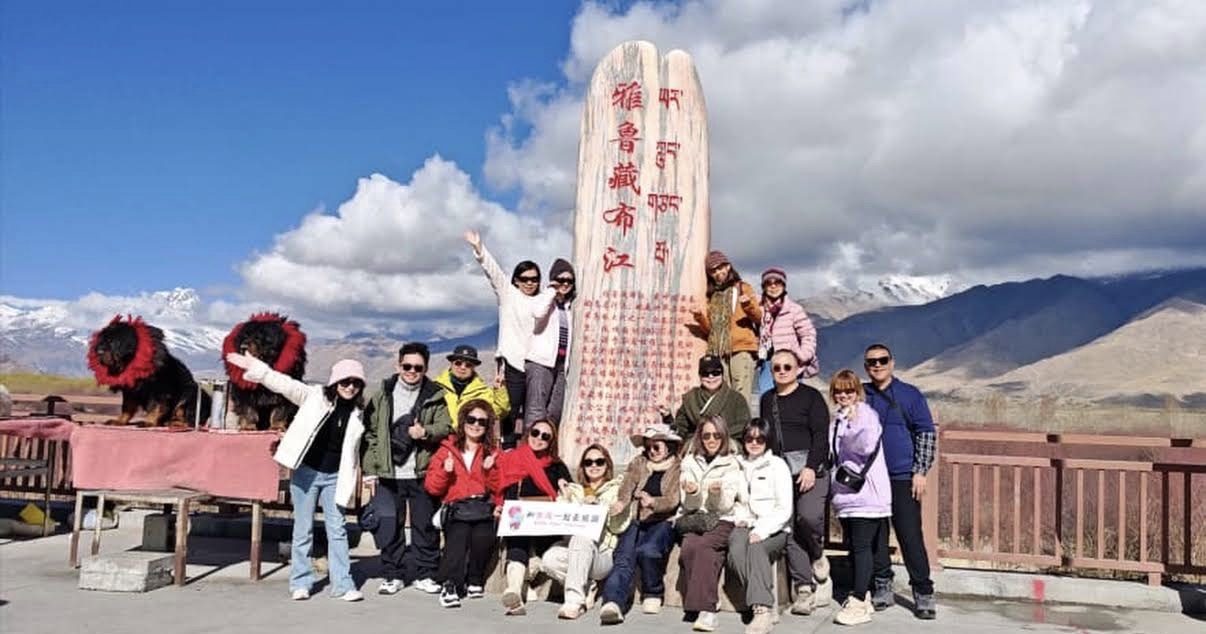
- The Yarlung Tsangpo, Tibet's great river, which many routes follow through its valley
Respecting local customs
- Walk clockwise around temples, stupas and prayer wheels.
- Photography is often not allowed inside temples; ask first.
- Ask before photographing people, especially pilgrims.
- Dress modestly when visiting temples and monasteries.